
Reading COAs, Judging Quality and Protecting Freshness
Shelled hemp seed is high in polyunsaturated oil, which makes rancidity the single biggest quality risk in the supply chain. This cluster explains what a certificate of analysis should show — moisture, microbial counts, heavy metals, THC levels where regulated — and how to interpret results rather than simply file them. It also covers sensory checks for off flavours, packaging under nitrogen, cold storage and realistic shelf life. Written for QA staff and buyers who sign off on incoming lots.
5 articles
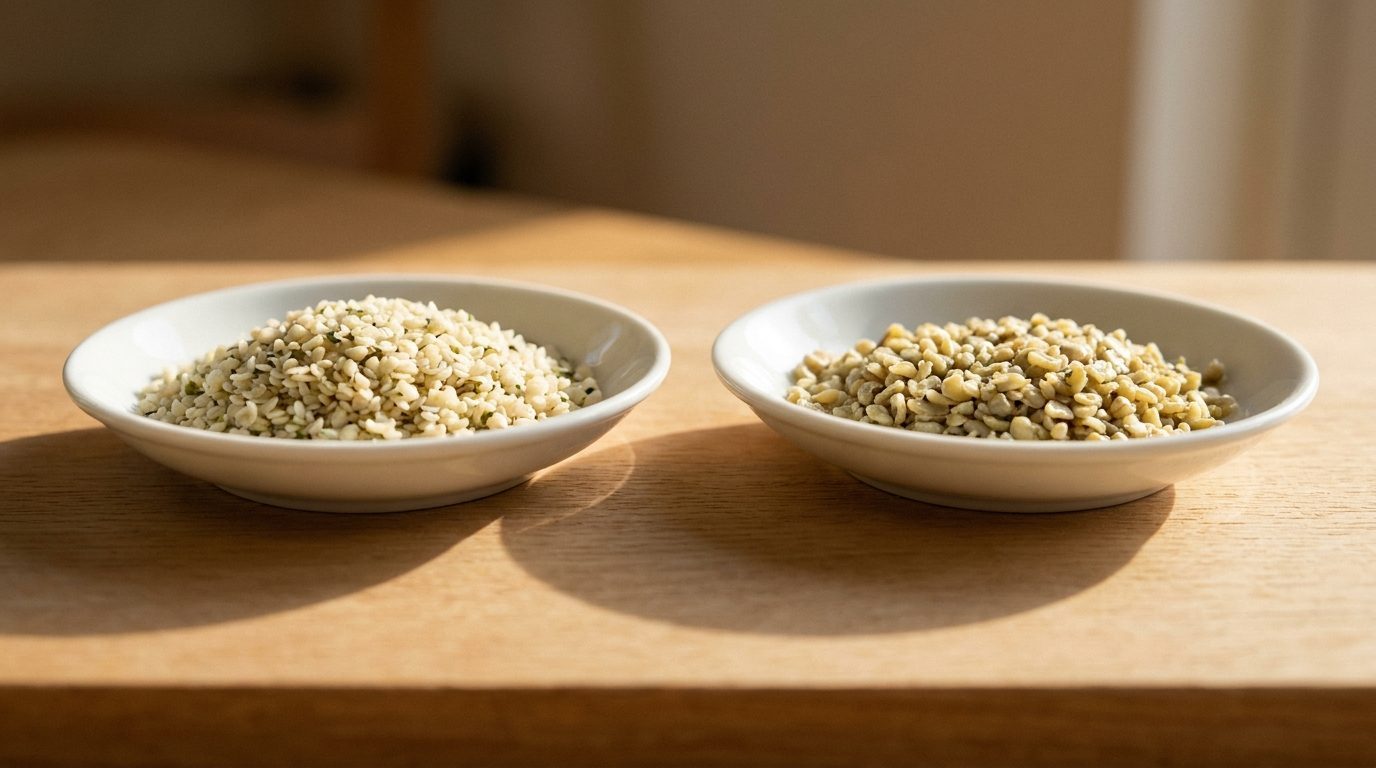
How to Tell If Shelled Hemp Seed Has Gone Rancid
Rancidity in shelled hemp seed is gradual, and the seed rarely looks obviously spoiled. Learning to detect it by smell, taste and texture is the single most useful quality skill a buyer can develop.
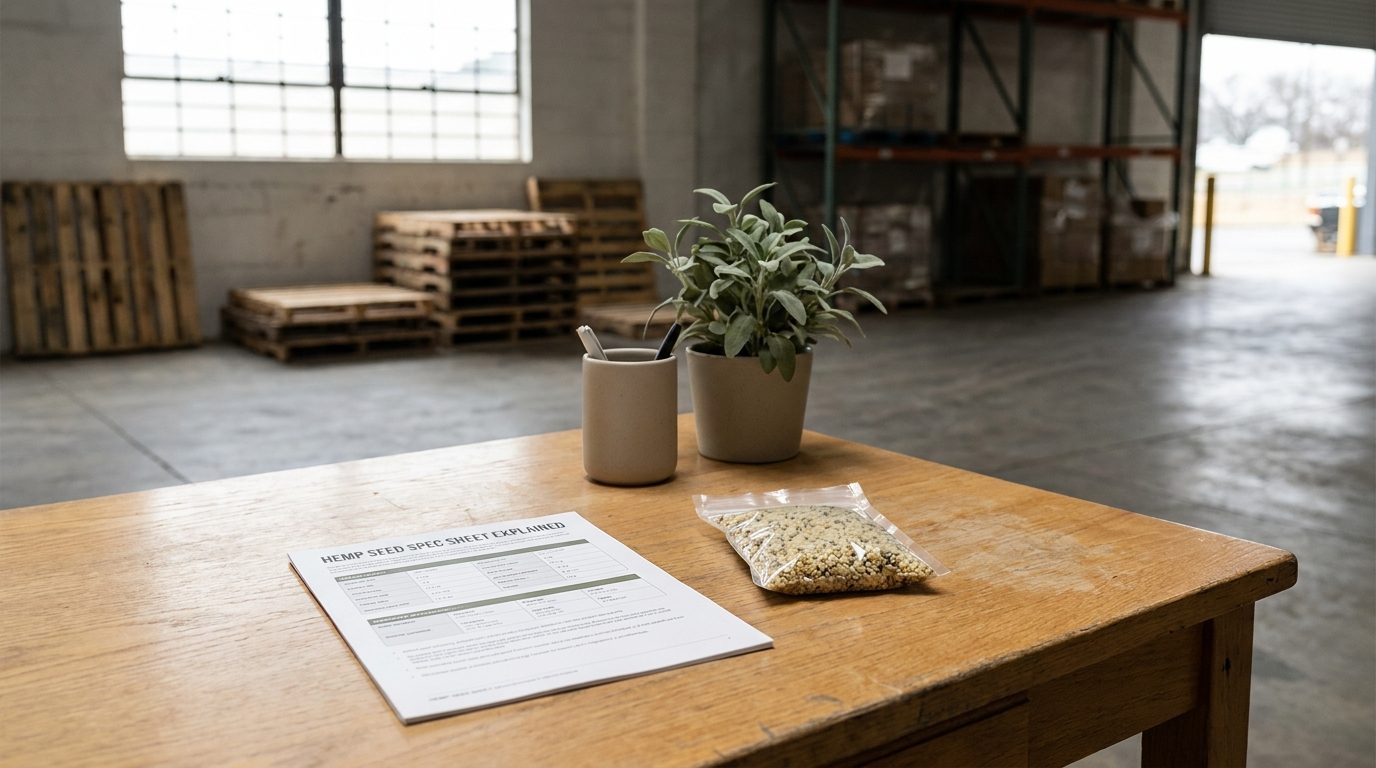
Hemp Seed Spec Sheet Explained: What a Supplier Specification Should List
A line-by-line decoder of a shelled hemp seed supplier specification sheet, covering the quality, grading, and traceability fields that bulk B2B buyers must demand before they sign a purchase order.
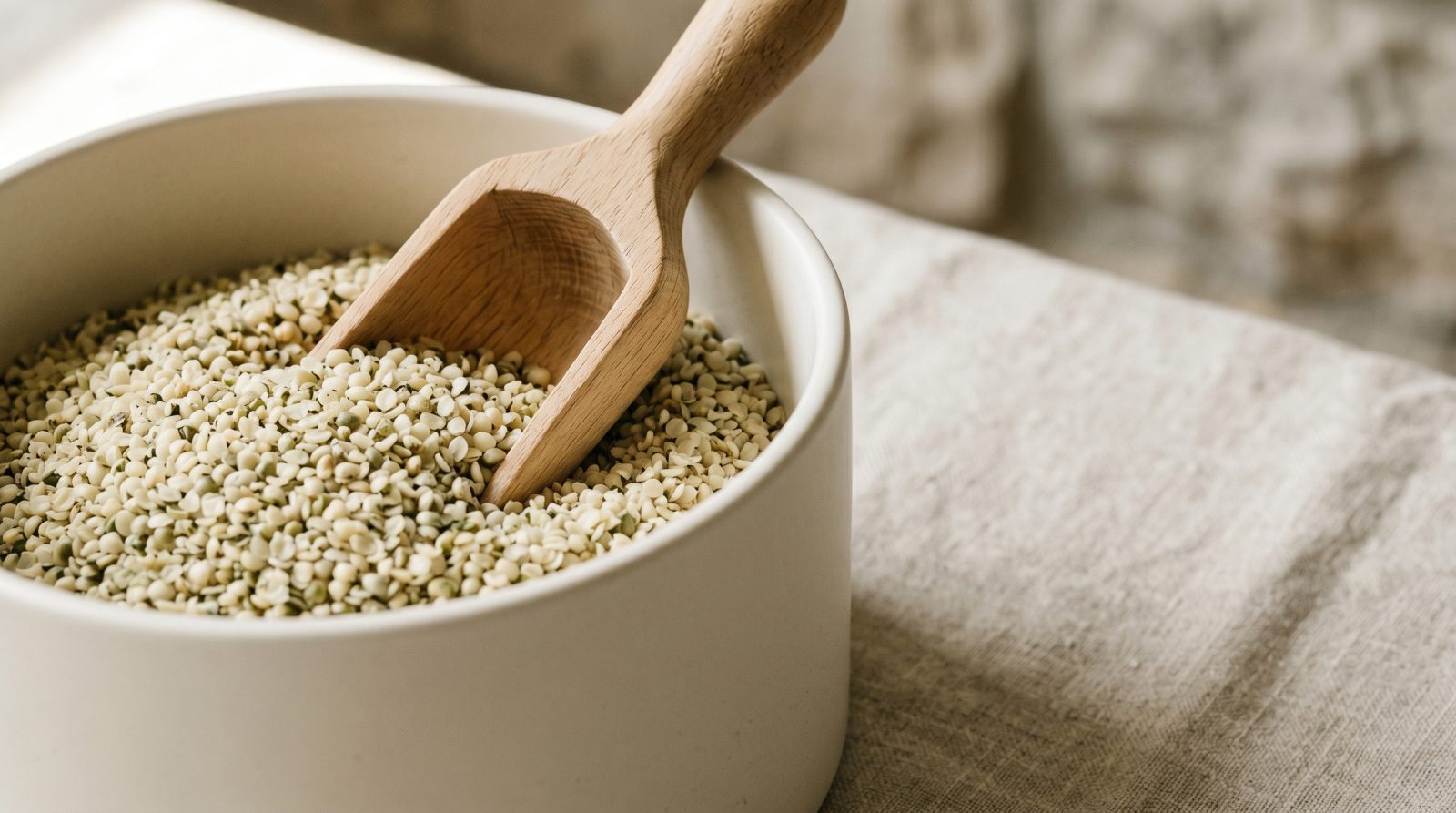
Bulk Storage Best Practices for Hemp Seed
The bulk storage protocol from receipt onward, portion sizing for households and businesses, container choices, inventory rotation, and when bulk does not make sense.
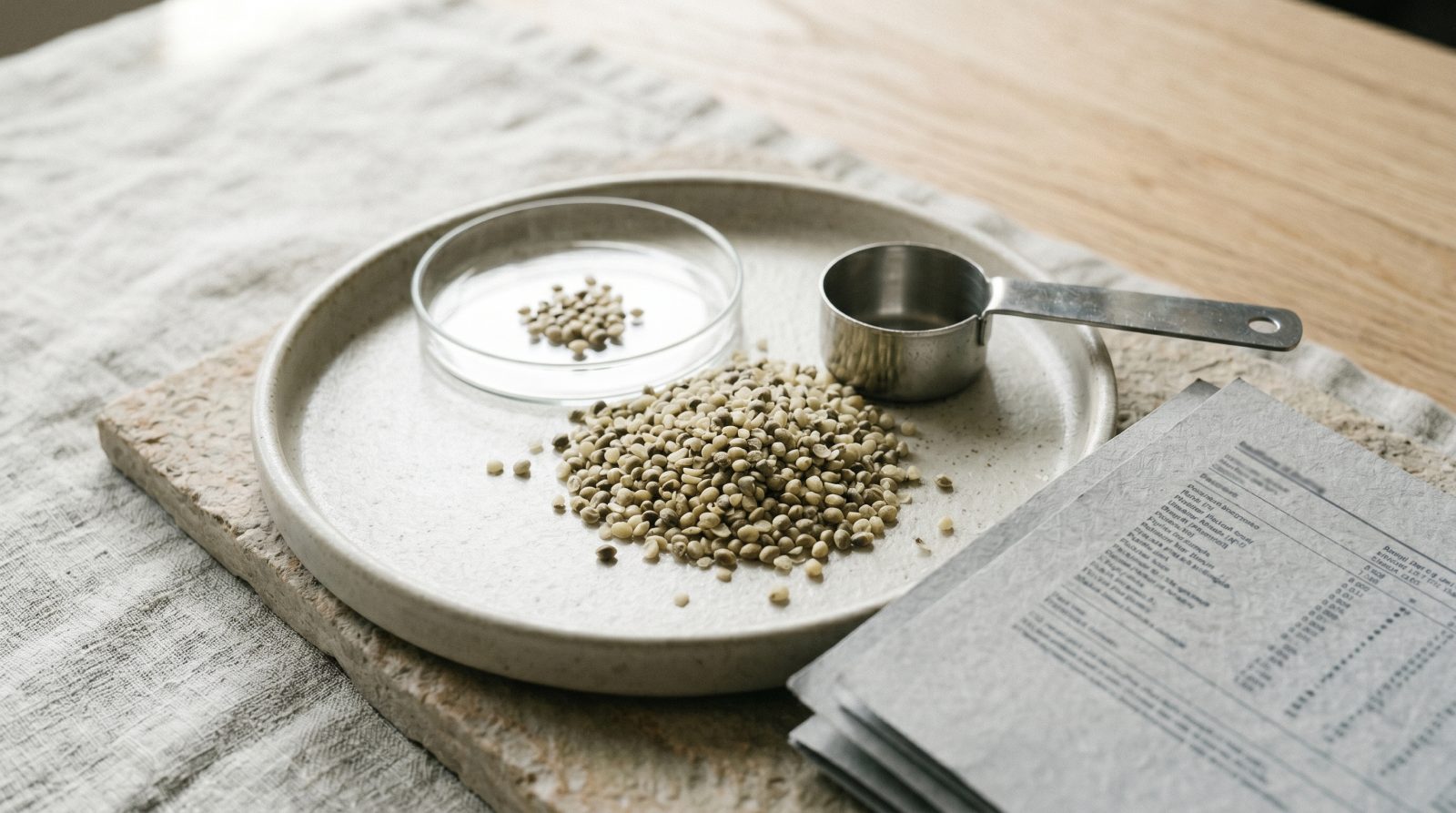
Shelled Hemp Seed Quality: Mould, COAs, and Heavy Metals
What shelled hemp seed quality testing covers (mould and microbes, heavy metals, pesticides, THC), what a 2026 independent test of six brands found, what a Certificate of Analysis contains, and how to judge a brand.

Storing Shelled Hemp Seed So It Stays Fresh
Shelf life by storage location, why the fridge stretches an opened bag from weeks to months, choosing a bag size you can store, freezing and portioning large bags, and how to recognize rancidity by smell and taste.